Smiths Station, Alabama Weather
Cicadas claim the scorching afternoon. Day 15 of summer. Read this microseason across nine climate regions →
Smiths Station weather forecast — hour by hour, 7-day outlook, NOAA radar
- TodayJul 5Heavy Showers32%3.2″91°75°—
- MondayJul 6Heavy Showers39%0.69″88°74°-3°
- TuesdayJul 7Light Showers25%—95°71°+7°
- WednesdayJul 8Overcast13%—96°71°+1°
- ThursdayJul 9Showers14%0.05″94°72°-2°
- FridayJul 10Light Drizzle18%—92°72°-2°
- SaturdayJul 11Light Drizzle32%—94°73°+2°
AQI 52 (Moderate), driven by PM2.5. AQI flat over the last 6 hours (within ±3 points). PM2.5 at 12.0 µg/m³ (AQI 56) with a 0.88 fine-to-coarse ratio and 4 mph wind — combustion smoke trapped in calm air, not road dust.
OK No precautions needed for the general population; unusually sensitive individuals may consider limiting prolonged outdoor exertion.
What's driving it
Ozone × UV × Sky
Ozone at AQI 30. Overcast through the UV peak window (cloud cover ~89%) — afternoon ozone should stay flat.
- Present
- AQI 30
- UV peak
- 0.0 at 1 PM
- Sky at peak
- overcast
- Projected peak
- AQI 4
PM × Wind × Precip
PM2.5 at 12.0 µg/m³ (AQI 56) with a 0.88 fine-to-coarse ratio and 4 mph wind — combustion smoke trapped in calm air, not road dust.
- PM2.5/PM10
- 0.88
- Wind
- calm
- Recent rain
- 0h in last 6h
- Pattern
- stagnant smoke
Trends
Seven days of AQI and PM2.5.
Hourly air-quality data from the Copernicus Atmosphere Monitoring Service, charted across the past and next several days. Dashed lines mark the AQI breakpoints at 50 (Good → Moderate) and 100 (Moderate → Unhealthy for Sensitive Groups).




















If the first of July be rainy weather, 'twill rain more or less for four weeks together.
- Moonrise
- 11:53 PM
- Moonset
- 11:54 AM
- In sign
- ♓︎ Pisces
Cicadas claim the scorching afternoon
Smiths Station at a glance
- Today vs. normal: 4°F below the seasonal normal for this latitude
- Last frost: March 2 (climatological average for this latitude)
- Microseason: Jul 1–5
- Planting window: Harvest early potatoes. Begin drying onions on the surface.
ZIP code: 36877
15-Day Forecast — Smiths Station
- Sun91°75°32%
- Mon88°74°39%
- Tue95°71°25%
- Wed96°71°13%
- Thu94°72°14%
- Fri92°72°18%
- Sat94°73°32%
- Sun91°71°47%
- Mon79°71°32%
- Tue90°68°18%
- Wed89°71°11%
- Thu91°71°32%
- Fri81°69°40%
- Sat90°69°39%
- Sun88°70°43%
Forecast data from Open-Meteo (CC BY 4.0).
Right now in the garden
Peak growing season
As of July 5, the growing season is at its peak — frost is months away. Continue succession-planting beans and summer squash. Start fall brassicas (broccoli, cabbage, kale) from seed indoors for transplanting in late summer.
SPC Convective Outlook
Storm Prediction Center — Smiths Station
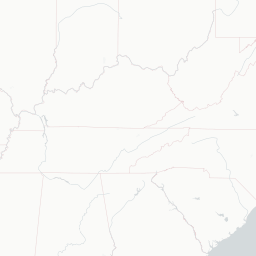
SPC includes Smiths Station in the general thunderstorm area today — no severe risk, but storms are possible.
- TODAYTSTMGeneral Thunderstorms
- TOMORROWTSTMGeneral Thunderstorms
- DAY 3TSTMGeneral Thunderstorms
Thunderstorms possible. Not severe, but capable of producing lightning and brief heavy rain.
Source: NOAA / NWS Storm Prediction Center categorical convective outlook. Outlooks are re-issued multiple times per day; this page reflects the most recent SPC polygons covering the city’s coordinates.
Microseason · July 1–5
Cicadas claim the scorching afternoon
Dog-day cicadas emerge in waves, their rasp dominating every sunny hour; heat peaks above 90 degrees daily.
Day 186 of 365 · Wedge 37 of 72
Planting calendar
| Month | Plant | Harvest |
|---|---|---|
| January | — | — |
| February | — | — |
| March | lettuce, peas, spinach, radishes | — |
| April | lettuce, peas, spinach, radishes, tomatoes, peppers, beans, squash | — |
| May | tomatoes, peppers, beans, squash | lettuce, peas, radishes |
| June | tomatoes, peppers, beans, squash | lettuce, peas, radishes |
| July | — | tomatoes, beans, summer squash |
| August | — | tomatoes, beans, summer squash |
| September | — | tomatoes, beans, summer squash |
| October | fall brassicas, garlic (overwinter), carrots | winter squash, tomatoes (last) |
| November | fall brassicas, garlic (overwinter), carrots | — |
| December | — | — |
A year in weather
Smiths Station peaks at about 81°F in July and bottoms near 45°F in January; March brings the heaviest rain (5.2 inches) and October the least (3.1 inches).
| Month | Mean temp | Precip | Rainy days |
|---|---|---|---|
| January | 45° | 4.5″ | 15 |
| February | 49° | 4.8″ | 16 |
| March | 56° | 5.2″ | 17 |
| April | 63° | 4.2″ | 14 |
| May | 71° | 3.5″ | 12 |
| June | 78° | 4.5″ | 15 |
| July | 81° | 4.6″ | 15 |
| August | 80° | 4.4″ | 15 |
| September | 75° | 3.5″ | 12 |
| October | 65° | 3.1″ | 10 |
| November | 54° | 4.2″ | 14 |
| December | 48° | 5.2″ | 17 |
Regional context
Smiths Station swings from 45°F in January to 81°F in July (36°F) per NOAA NCEI 1991-2020 normals; precipitation in Smiths Station runs about 51.8 inches on roughly 172 measurable days.
No season owns Smiths Station's rain: March reaches 5.2 inches across 17.0 days and October keeps 3.1 inches on 10.0, an even spread through Smiths Station's year. That lines Smiths Station up with places like Ladonia, AL, Phenix City, AL and Opelika, AL, fed by overlapping storm tracks.
With a coldest-month mean of 45°F, Smiths Station stays mostly frost-free and grows year-round. The July peak near 81°F is Smiths Station's real limit, pushing cool-season vegetables to spring and fall. Across Smiths Station, elevation and tree cover drive a 4-7°F spread in Smiths Station's overnight lows.
Similar climates: Ladonia, AL, Phenix City, AL, Opelika, AL, Valley, AL, Cusseta, AL.
Frequently asked
- When does it freeze in Smiths Station?
- Frost typically leaves Smiths Station by mid-March and returns to Smiths Station near mid-December.
- What is the rainy season in Smiths Station?
- Rainfall in Smiths Station peaks in March near 5.2 inches, out of about 52 inches annually.
- What is the warmest month in Smiths Station?
- Smiths Station peaks in July, when the mean runs near 81°F.
- What is the coldest month in Smiths Station?
- January is Smiths Station's coldest month, averaging about 45°F.
- When can I start a vegetable garden in Smiths Station?
- In Smiths Station, sow peas and hardy greens around mid-March; Smiths Station's tomatoes and peppers wait two weeks more.
- How many rainy days does Smiths Station get?
- Expect roughly 172 wet days a year in Smiths Station.
- What hardiness zone is Smiths Station?
- With January around 45°F, Smiths Station's zone reflects that minimum — the USDA ZIP map confirms Smiths Station's band.
- What is the 10-day forecast for Smiths Station?
- Smiths Station's extended outlook — daily high and low temperatures and precipitation chances for each upcoming day — is in the daily forecast above.
- Will it rain this week in Smiths Station?
- See this week's day-by-day rain chances for Smiths Station in the daily forecast above, and the next 24 hours in the hourly chart.
- What is the weather like right now in Smiths Station?
- Current conditions for Smiths Station and the next 24 hours — temperature, precipitation chance, and wind by the hour — are in the hourly forecast chart above.
- How often is the Smiths Station forecast updated?
- The Smiths Station forecast on this page is built from Open-Meteo weather-model data and refreshes regularly through the day.
- When are sunrise and sunset in Smiths Station?
- Today's sunrise and sunset times for Smiths Station are in the Almanac section above, along with civil dawn, civil dusk, and day length. Day length is longest near the summer solstice and shortest near the winter solstice.
- How accurate is the weather forecast for Smiths Station?
- The next few days in Smiths Station's forecast are the most reliable; accuracy declines beyond about a week as weather-model uncertainty grows.
Climate
In Smiths Station, Alabama, the humid subtropical climate runs from about 45°F in January to 81°F in July, a 36°F seasonal range.
Across the year, Smiths Station collects about 52 inches of precipitation over roughly 172 days with measurable rain or snow.
From 32.5°N, Smiths Station sees a 36°F seasonal swing that governs Smiths Station's planting and frost windows.
ZIP codes in Smiths Station
- 36877